
Abstract:
As a serious side effect of infections (such as meningitis or pneumonia), during surgery (particularly when mucous membranes are involved, like in the gastrointestinal tract), or when catheters and other foreign objects get into the arteries or veins (including during intravenous drug abuse), bacteria can enter the bloodstream.
Content and Procedures: This study looks back at all hospitalized patients who had clinically significant bacteraemia between December 1, 2023, and August 31, 2024. Adult and pediatric BacT/ALERT blood culture bottles were inoculated with 5–10 ml of adult and 2–3 ml of pediatric patients. At 37°C, they were subsequently continuously incubated aerobically.
Results: The results showed that only 176(20.1%) of the blood culture broths were bacterially culture-positive. Among patients aged 6–17 years, culture positivity was lowest (12.9%), while it was highest among neonates (less than 1 month; 23.8%). The cultural positivity of male and female participants did not differ significantly (p = 0.96). Most identified bacteria were gram-negative enteric (57.3%), including Klebsiella aerogenes (41.1%) and Escherichia coli (8.2%). Sixty-one percent were sensitive to piperacillin-tazobactam, seventy-seven percent were sensitive to gentamicin, and eighty-one percent for amikacin. The most frequent Gram-positive bacterium that was isolated (26.3%) was S. aureus. Of the S. aureus isolates, 86% were resistant to methicillin. 35% had imipenem and meropenem sensitivity. 33% of gram-positive isolates, including MRSA, were vancomycin sensitive.
Conclusion: Most gram-negative bacteria were recovered from BSI cases. Good sensitivity to ceftazidime, imipenem, ciprofloxacin/ofloxacin, gentamicin, and meropenem was shown by the isolates.
Biography:
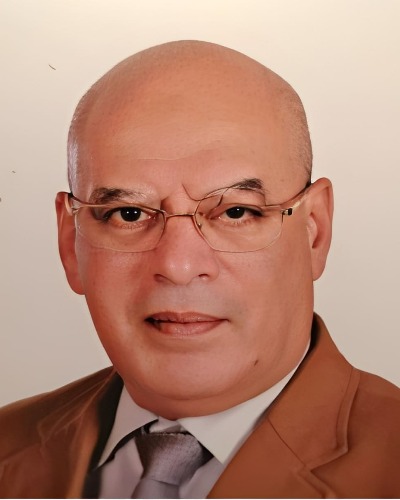
Refat Sadeq, from Egypt, has been in microbiology for over 42 years. He is a member of the main Promotion Committee, Medical Microbiology &Immunology (Prof.&Assist Prof.) has started and graduated in Zagazig Faculty of Medicine for M.Sc. and Ph.D. Now He is Chief of Medical Microbiology Dept., Portsaid Faculty of Medicine & Director of University Central Laboratory. He is a Featured Author, for books in Medical Microbiology and Immunology for both medical students and nurses. He also assisted in building many units in his department but the favourite one was that of Virology and Molecular biology. He loves how to help junior doctors in his department to solve their scientific problems. His advice to new contributors is to take your time to get to know all the tools and to invest your energy and be sure that success will happened.
