
Abstract:
The rapid and accurate detection of SARS-CoV-2 remains a critical priority for global health security. While CRISPR-based diagnostics offer excellent sensitivity and specificity, integrating nanotechnology to enable point-of-care (POC) visual detection often faces hurdles due to complex, time-consuming probe conjugation. This study presents a novel diagnostic platform that merges a simplified, rapid freezing-labeling method for gold nanoparticle (AuNP) functionalization with a CRISPR-LbCas12a-mediated detection system. By using citrate-coated AuNPs functionalized with thiol-modified polyadenylated DNA probes, we developed a colorimetric assay that leverages the collateral cleavage activity of CRISPR-LbCas12a to trigger strand-displacement events, enabling visual detection without sophisticated laboratory equipment. Our platform achieved a high sensitivity of 1–10 nM for SARS-CoV-2 detection, with a total assay time of only 30 minutes. The system demonstrates excellent clinical utility, successfully detecting the SARS-CoV-2 E gene in patient samples while exhibiting no cross-reactivity with other common respiratory viruses. This study provides a streamlined, highly efficient, and cost-effective approach to molecular diagnostics. By combining freezing-labeling nanotechnology with CRISPR-Cas12a, this platform offers a robust model for future point-of-care diagnostics, adaptable for a broad range of infectious pathogens beyond SARS-CoV-2.
Biography:
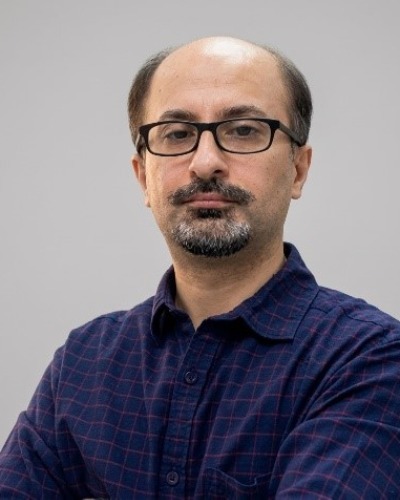
Huseyin Tombuloglu, PhD (Associate Professor) at the Institute for Research and Medical Consultations (IRMC), Imam Abdulrahman bin Faisal University (IAU), Saudi Arabia. Specializing in molecular biology and biotechnology, he focuses on developing rapid, point-of-care diagnostic platforms for infectious diseases, including SARS-CoV-2 and other respiratory viruses, by integrating CRISPR-Cas12a and RT-LAMP with nanotechnology. As PI for many national and international projects, he works to enhance health security during mass gatherings. With a background in bioinformatics and genomics, he contributes extensively to both clinical diagnostics and academic research, aiming to bridge the gap between laboratory innovation and real-world public health applications.
